kesht
Modern agriculture is rapidly changing. Farmers are now using digital tools, automation, sensors, and advanced machinery to improve productivity while reducing costs and resource consumption.
What Is Smart Agriculture?
Smart agriculture is the use of modern technologies to make farming more efficient, accurate, and sustainable. These solutions help farmers monitor crops, manage irrigation, detect problems early, and make better decisions.
Smart farming is not about replacing farmers; it is about giving them better tools to make better decisions.
Key Smart Farming Solutions
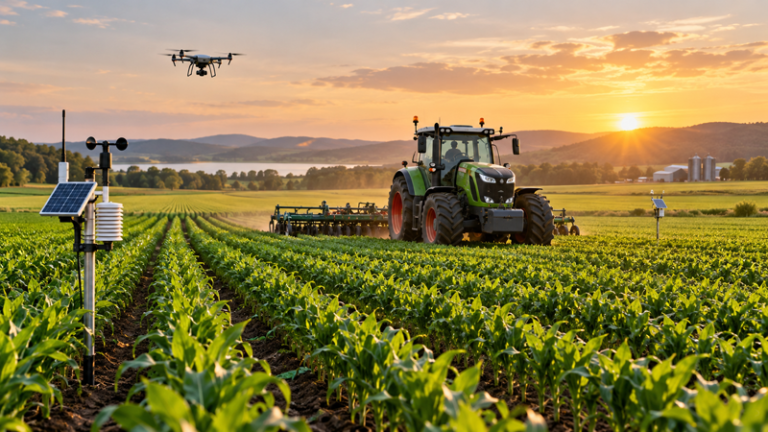
- IoT sensors for soil and crop monitoring
- Smart irrigation systems
- Agricultural drones
- GPS-guided machinery
- Farm management software
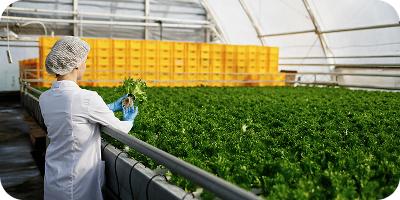
- Automated greenhouse systems
- AI-powered crop analysis
Benefits of Smart Agriculture
| Technology | Main Benefit |
|---|---|
| IoT Sensors | Real-time field monitoring |
| Drones | Faster crop inspection |
| Smart Irrigation | Reduced water consumption |
| GPS Equipment | Higher planting accuracy |
| Farm Software | Better decision-making |
Why Smart Farming Matters
Smart solutions allow farmers to use water, fertilizer, energy, and labor more efficiently. They can also identify crop diseases, irrigation problems, and nutrient deficiencies before they become serious.
As global food demand continues to increase, smart agriculture will play an important role in producing more food with fewer resources.
Conclusion
Smart solutions for modern agriculture are transforming traditional farming into a more efficient and data-driven industry. By adopting technologies such as sensors, automation, drones, and intelligent irrigation, farmers can increase productivity while creating a more sustainable agricultural future.